Victor Rangel-Ribeiro

The landscape of Goa in Writing

The landscape of Goa in Writing

By Selma Carvalho

Poet and playwright Owen Sheers thinks landscape is what happens to nature when humans arrive. We create landscape, otherwise nature exists, forlorn, desultory and on its own. In every manner the newly released anthology The Brave New World of Goan Writing & Art 2025, edited by me and published by Cinnamon Teal, encapsulates this ethos of Goans interacting with the land of Goa. Identity is that most unknowable thing, constantly changing, a mere shadow on the edges of our consciousness, and yet if something were to exist as Goan identity than that something is our love of the land.

Souza: The Artist, His Loves & His Times

Souza: The Artist, His Loves & His Times

By Selma Carvalho

Issue no 21

In the end, F. N. Souza belongs to Goans. Apart from the Tate Gallery, London, displaying one of Souza’s most emblematic works, the ‘Crucifixion,’ and Grosvenor Gallery having the occasional retrospective, F. N Souza elicits little recognition. There are no biographies paying tribute to the artist, no English heritage plaques commemorating the places he lived in, nor are there regular references made to his work in that definitive art reviewer, the TLS; he does not seep into the British consciousness the way his contemporary Francis Bacon does or even the less distinguished and one-time boarder at Souza’s house, Keith Vaughan does.

Lives in Childhood: Goan Writers & Artists

Lives in Childhood: Goan Writers & Artists

By Selma Carvalho

Issue no 16

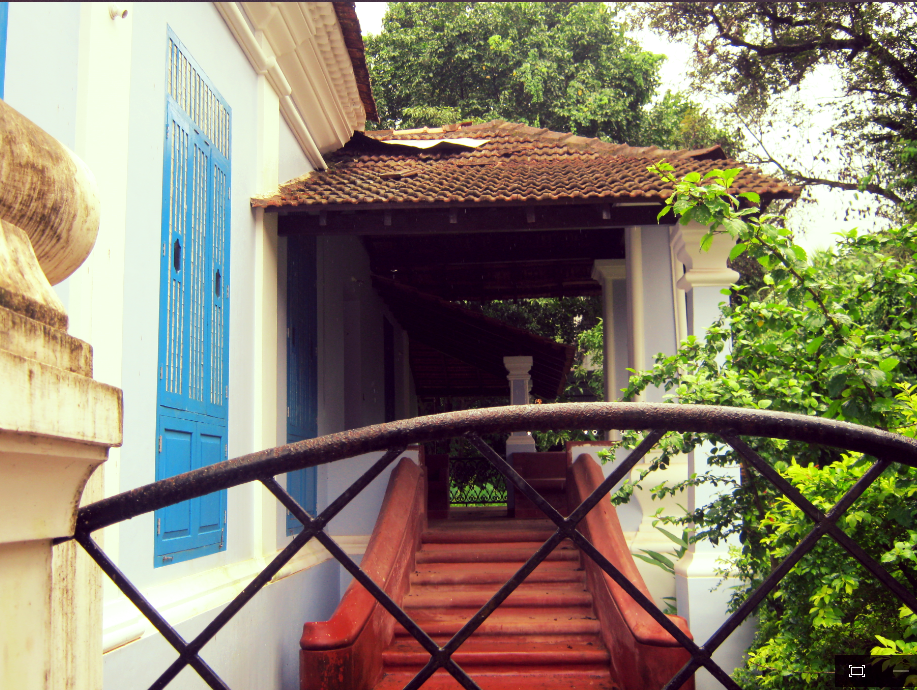
the home has always been a special place, one we take for granted perhaps, but which dwells in our imagination—the geographic specificity of it, the relationships which unfold within it, the momentous events we share and celebrate—and particularly the homes of our childhood remain with us, becoming an indelible part of our consciousness.

Goan Literature: Then and Now

Goan Literature: Then and Now

By Victor Rangel-Ribeiro (preview only)

Issue no 16

What was the state of literature in Goa, a hundred years ago? With no radio or TV, and only one movie theatre in distant Panjim, surely people spent a lot of time reading? Yes, they read a lot of newspapers, that sprouted like mushrooms, and died almost as quickly. And what about books? Seventy-three long years had passed between the publication of Os Brahmanes and Chord and Discords. What were people reading in the intervening years?