Goa's Subversive Storyteller

Goa's Subversive Storyteller

By Prema Viswanathan

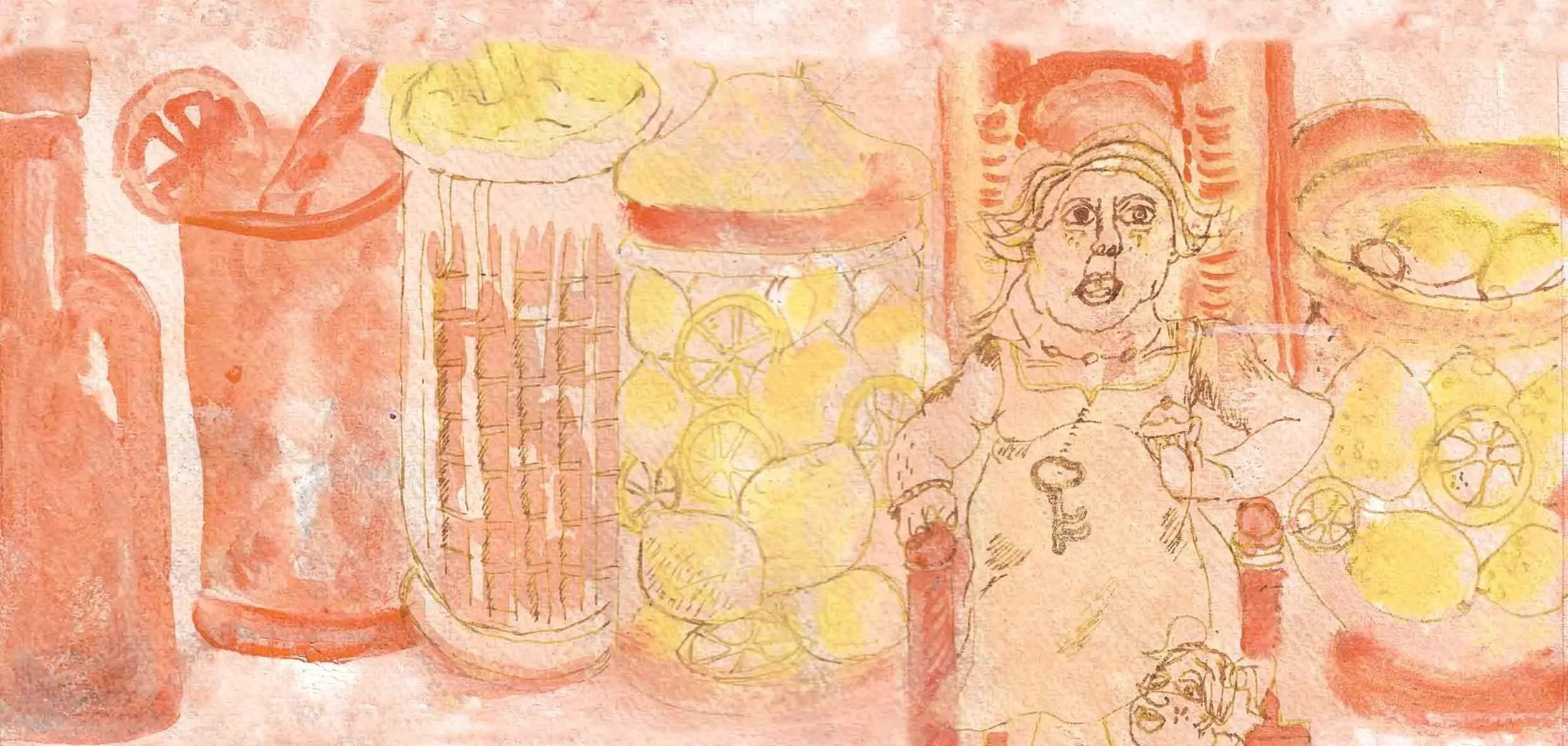
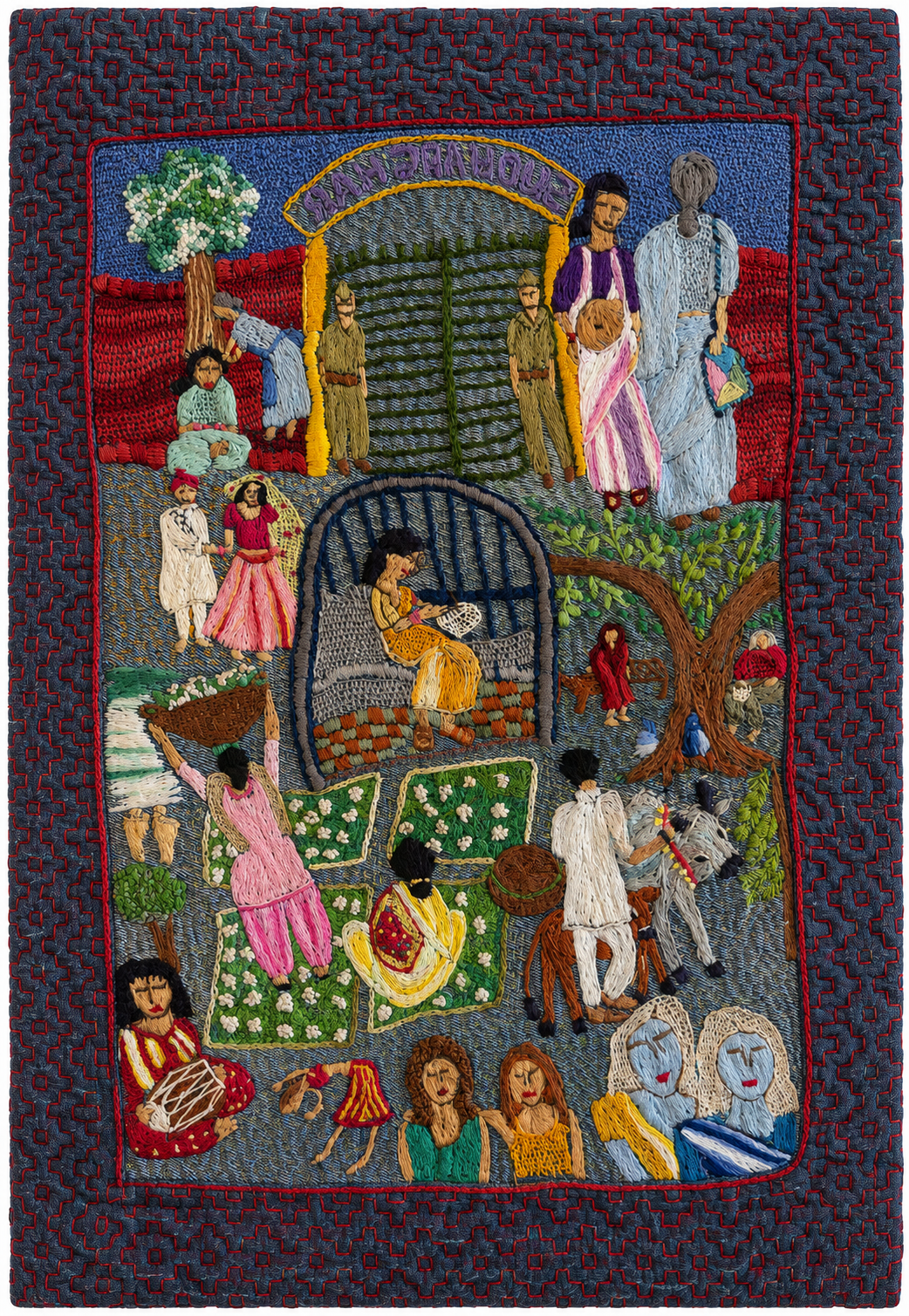
Savia Viegas has always collected stories. They came to her in the lamplit rooms of her Goan childhood, in the voices of women talking late into the night, in village gossip, family histories and the small dramas that rarely find their way into official histories. For years she put them into fiction. Now she is stitching them into cloth.
Anna Remembers

Anna Remembers

By Jane Borges

It all began when Mai started remembering. On loop. Repeating snatches from her memory none of us had ever heard about. Hers was a small life, lived between different chawls in South Bombay. The tiny rooms she inhabited with her husband and children was a space of survival, crammed with people, spare furniture and objects. The proximity was suffocating. More so the routine.

Lindsay Pereira's Super: Writing the Immigrant

Lindsay Pereira's Super: Writing the Immigrant

By Selma Carvalho

Lindsay Pereira’s fourth book is titled Super (Harper Collins, 2026), a pun on the word which the protagonist Sukhpreet Gill is fond of using to express appreciation but is also a job commonly undertaken by immigrants in North America, that of superintendent or maintenance man of a block of flats, the popular contraction being “super.”

Guts, Glory and Empire: Notes on Sources

Guts, Glory and Empire: Notes on Sources

By Selma Carvalho

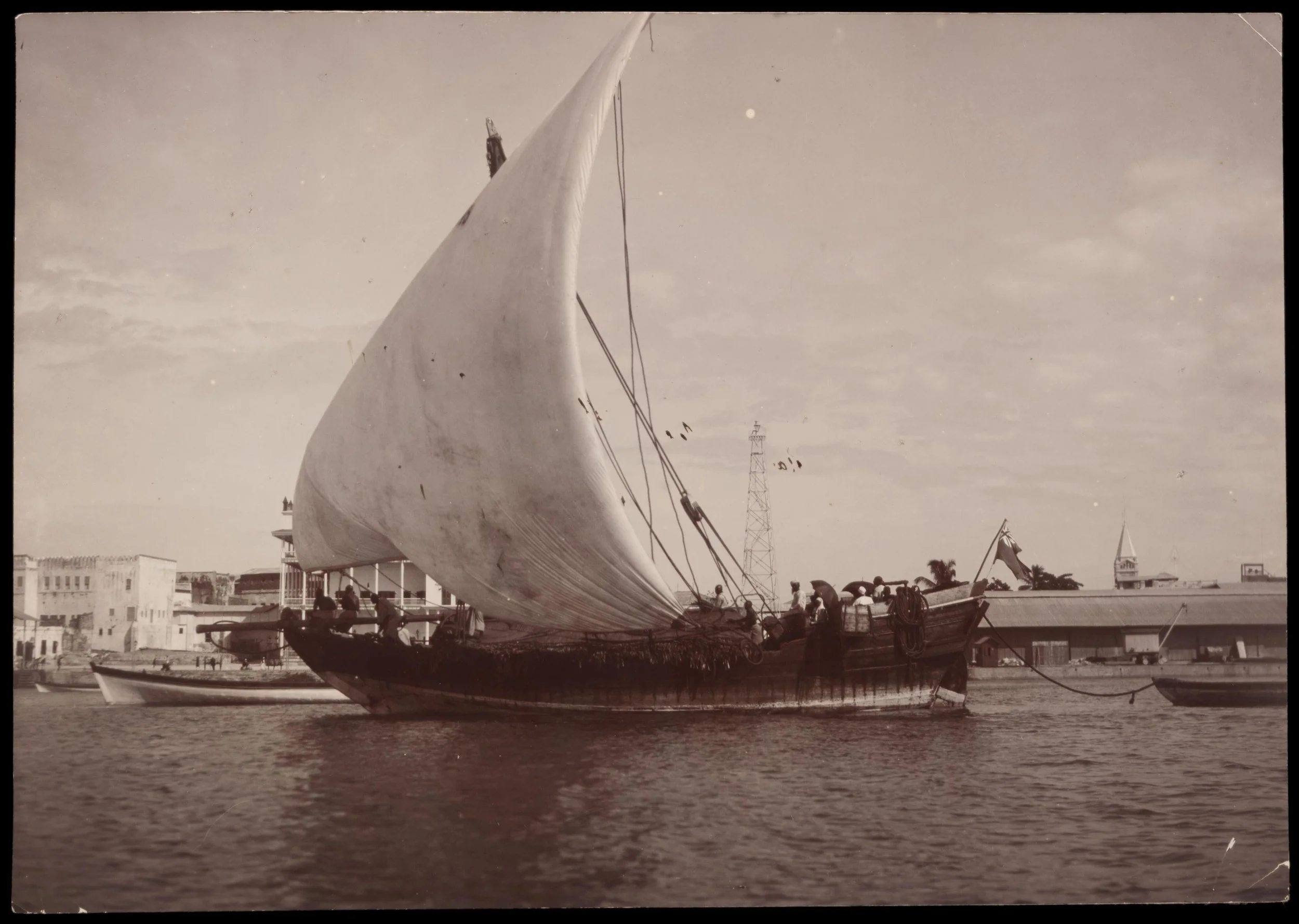
Here amidst the well-preserved wooden boxes and files was almost a Pompeiian preservation of how Goans lived in Zanzibar, the quarrels they had, the estates they left behind, their obituaries, registration of contracts, and most significantly their quasi-political role within the Portuguese consulate of Zanzibar. Here they existed not as someone else’s perception of them but as blood and bone, kith and kin.

Religion, lies and videotape

Religion, lies and videotape

By Selma Carvalho

The tragedy of human societies is that we are only capable of accessing recent memory to form opinion. This tragedy is further compounded in an era when just about anybody can spread lies and videotape. Anyone with basic knowledge of software or AI can make reels on history they’ve discovered through memes, and then spread the virus of untruths, imagined oppressions and constant majoritarian victimhood to thousands of followers, multiplying in its duplicity.

Fungus

Fungus

By Sheela Jaywant

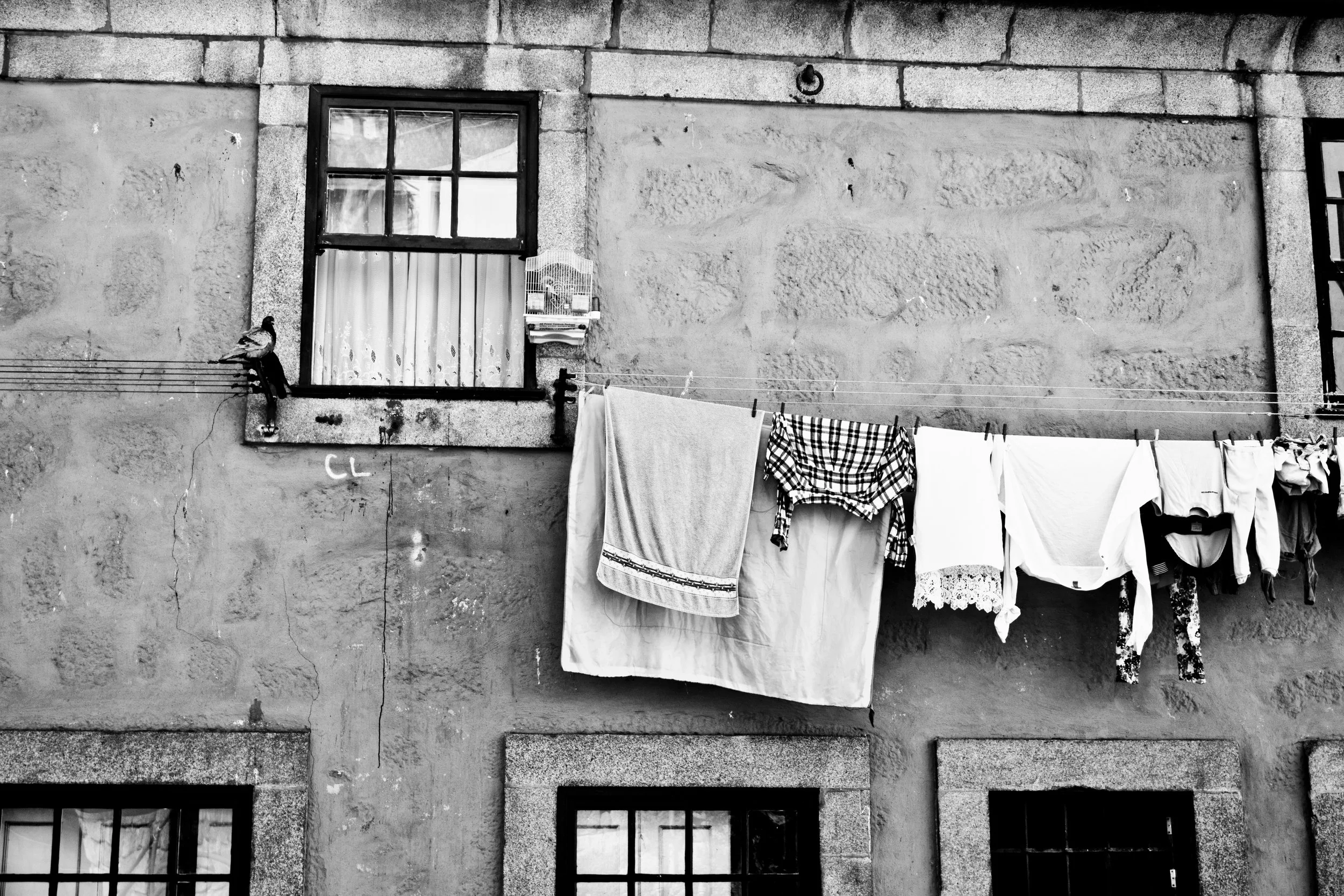
With the first rains, we tie nylon ropes to the fixed hooks in the small passage in my flat which leads from the kitchen to the toilet. Up near the ceiling, lengthwise, so that we can hang clothes above the sink and washing machine, outside the bathroom door. We have separate toilet and bathroom; that way, family members can simultaneously hurry with different personal chores while hastening to work in the morning.

Childhood Monsoon Memories

Childhood Monsoon Memories

By Fátima da Silva Gracias

I love the rains in Goa, my home state in the West Coast of India. They are beautiful — for me, the best season of the year, even though sometimes the heavy downpours and flooding interrupt daily routines and create chaos all around. It is a time for reflection — a season to pause and complete the things left pending during the rest of the rushed year.

The Girl who was the color of nothing

The Girl who was the color of nothing

By Selma Carvalho

Humour is notoriously difficult to render, isn’t it? So, it really is nice to hear that it works in the book. Indeed, I wanted there to be an obvious satirical element in the story and the suitors provide the perfect opportunity to demonstrate some real and very wild things one has heard of, or seen, in society. While I wanted readers to have a laugh at these figures (and maybe at themselves), I also hoped to point out the ludicrousness of what the characters subject themselves and others to. This is why the second half of the book brings back some of the occurrences from the first half, but in less funny ways.

Janakye Bai’s Story: Velip Oral Traditions

Janakye Bai’s Story: Velip Oral Traditions

By R. Benedito Ferrao

The illustrated book The Story of Janakye Bai (Goa 1556, 2026) chronicles a tale that has been passed down over several generations amongst Velip people, one of Goa’s Indigenous communities. The story revolves around Janakye Bai, a girl who chooses to run away from home rather than resign herself to a fate she refuses to accept. This book appears in two editions, one in Velip Konkani and the other in English. Vithai Zaraunker, a member of the Velip community and an Assistant Professor of Women’s Studies at the D. D. Kosambi School of Social Sciences and Behavioural Studies at Goa University, envisioned this book project…

The Most Famous Suitcase in Goan Art History

The Most Famous Suitcase in Goan Art History

By Ava Sherry

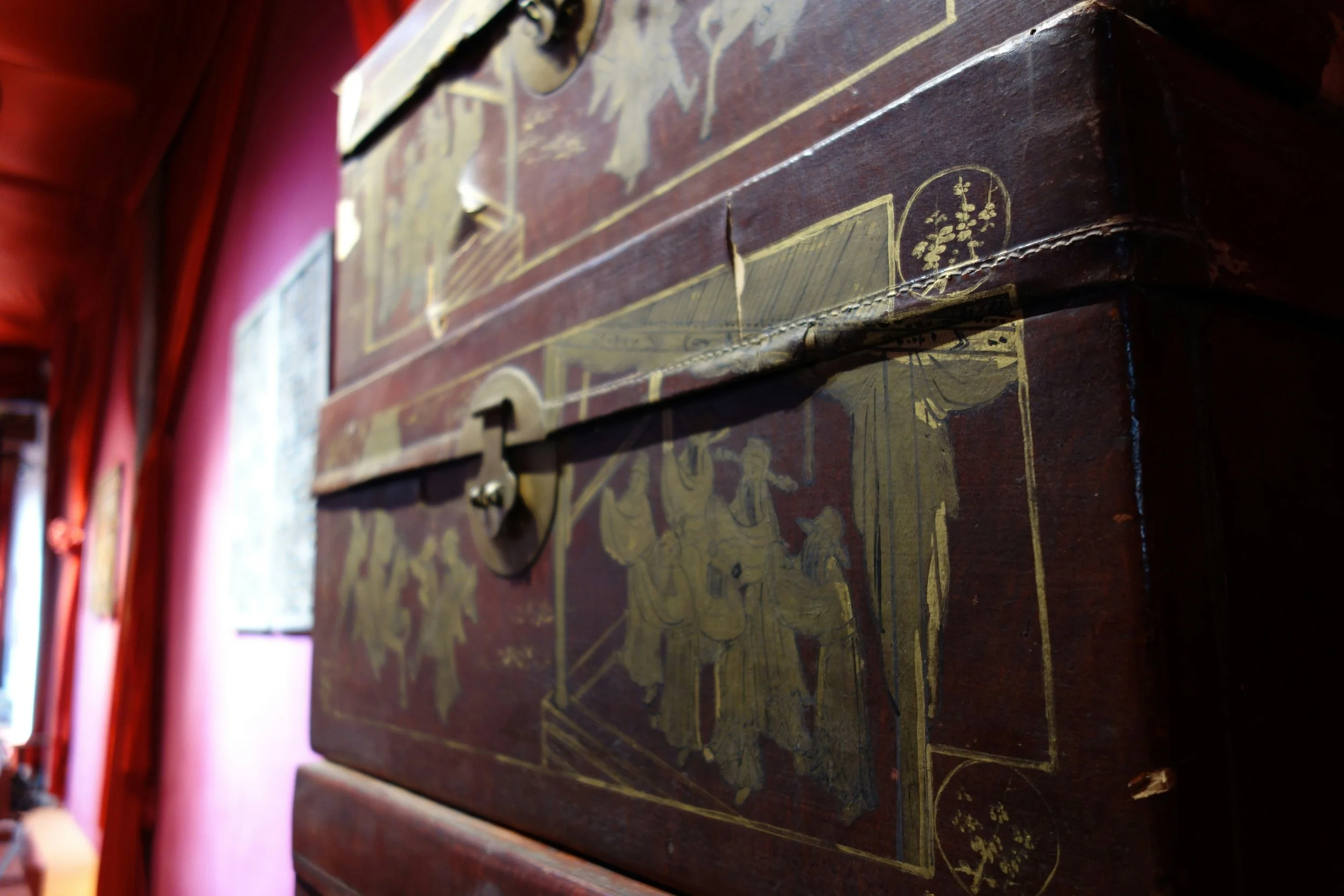
I had been drawn to R. Benedito Ferrão and Vamona Navelcar’s The Destination is the Journey, initially because it wasn’t obvious in its positioning. It felt almost like a puzzle, except with every answer found, another layer of depth revealed itself. The Destination is The Journey forms part of R. Benedito Ferrão’s edited book, Goa/Portugal/Mozambique: The Many Lives of Vamona Navelcar (2017) which is about a Goan artist – Navelcar (1929-2021) – whose life and identity, due to colonial forces, became dispersed across the boundaries of Africa, Asia, and Europe.

The Language of christmas in faraway lands

The Language of christmas in faraway lands

By Saachi D’ Souza

Growing up in the dominantly Hindu state of Gujarat, Christmas was more than gifts, family, and cheer. We found ways, albeit small, to bring us back to what was forced into suppression. Like most Catholic kids, I too took piano lessons. The one song that stuck with me was Auld Lang Syne. Every year, between the last carol and the first toast, the familiar melody begins. It isn’t, strictly speaking, a Christmas song. There is no Bethlehem, no manger, no snow. But Auld Lang Syne always arrives, as if called by the hush that settles over the world in late December.

Christmas in Poona

Christmas in Poona

By  Michelle Mendonça Bambawale

The PGI was the centre for community activities. We learnt to play badminton and  there. We looked forward to the PGI’s long event calendar over Christmas. We did not notice the rundown buildings or the peeling paint. The toilets still haunt me, they were filthy and stinky. As young kids, the highlight was the annual Christmas tree party. We always had fashionable new custom-made dresses to wear. There were needle and thread, lime and spoon and sack races. The highlight was waiting for Santa Claus to give us our Christmas presents.

The landscape of Goa in Writing

The landscape of Goa in Writing

By Selma Carvalho

Poet and playwright Owen Sheers thinks landscape is what happens to nature when humans arrive. We create landscape, otherwise nature exists, forlorn, desultory and on its own. In every manner the newly released anthology The Brave New World of Goan Writing & Art 2025, edited by me and published by Cinnamon Teal, encapsulates this ethos of Goans interacting with the land of Goa. Identity is that most unknowable thing, constantly changing, a mere shadow on the edges of our consciousness, and yet if something were to exist as Goan identity than that something is our love of the land.

A Book Full of Rice - Portuguese Colonialism, Food and Society in Goa: 1900-1961

A Book Full of Rice - Portuguese Colonialism, Food and Society in Goa: 1900-1961

By R. Benedito Ferrão

Once an Assistant State Librarian at Goa’s Krishnadas Shama State Central Library, Maria de Lourdes Bravo da Costa also served as a Reference Librarian whose specialty was Indo-Portuguese History. Accordingly, the focus of da Costa’s latest book comes as no surprise, its title being Portuguese Colonialism, Food, and Society in Goa: 1900-1961 (Bloomsbury, 2025). Attending to the final decades of Portuguese rule in Goa, da Costa’s book looks closely at rice production in the capital of Estado da Índia.

Of Red Dust

Of Red Dust

By R. Benedito Ferrão

Paul Melo e Castro talks about the translations Life Stories: The Collected Stories of Maria Elsa da Rocha (Goa 1556, 2023), Weeds in the Red Dust: The Collected Stories of Epitácio Pais (CinnamonTeal, 2023), and Regional Tales (CinnamonTeal, 2024) which brings together stories by Augusto do Rosário Rodrigues.

when god died

when god died

By Jessica Faleiro

Your first book Shadow of the Palm Tree (2019) brought to light the presence of the slave trade the Portuguese brought to Goa. Your second book when god died (2023) brings to light the Goa Inquisition, another significant historical event in Goa that isn’t talked about very much. What was the motivation or inspiration for choosing to portray this particular moment of history in your latest novel?

Coins in Rivers: Heta Pandit on Rochelle Potkar

Coins in Rivers: Heta Pandit on Rochelle Potkar

By Heta Pandit

Why do we call it a book release, Rochelle? In fact, isn’t it just the reverse of release? Holding, reading, and experiencing a book is an inhalation, a holding in of your breath, a waiting for a revelation. That is exactly how I felt when I began reading Coins in Rivers. I wonder why the perpetrators of all the atrocities described against women are men. You write as a feminist; you see and understand scars. Even the ones under the skin. And yet, I see a soft gentle touch, not the caustic, harsh, and scarred perspective of a hard-core man-hater.