Review by Michelle Mendonça Bambawale
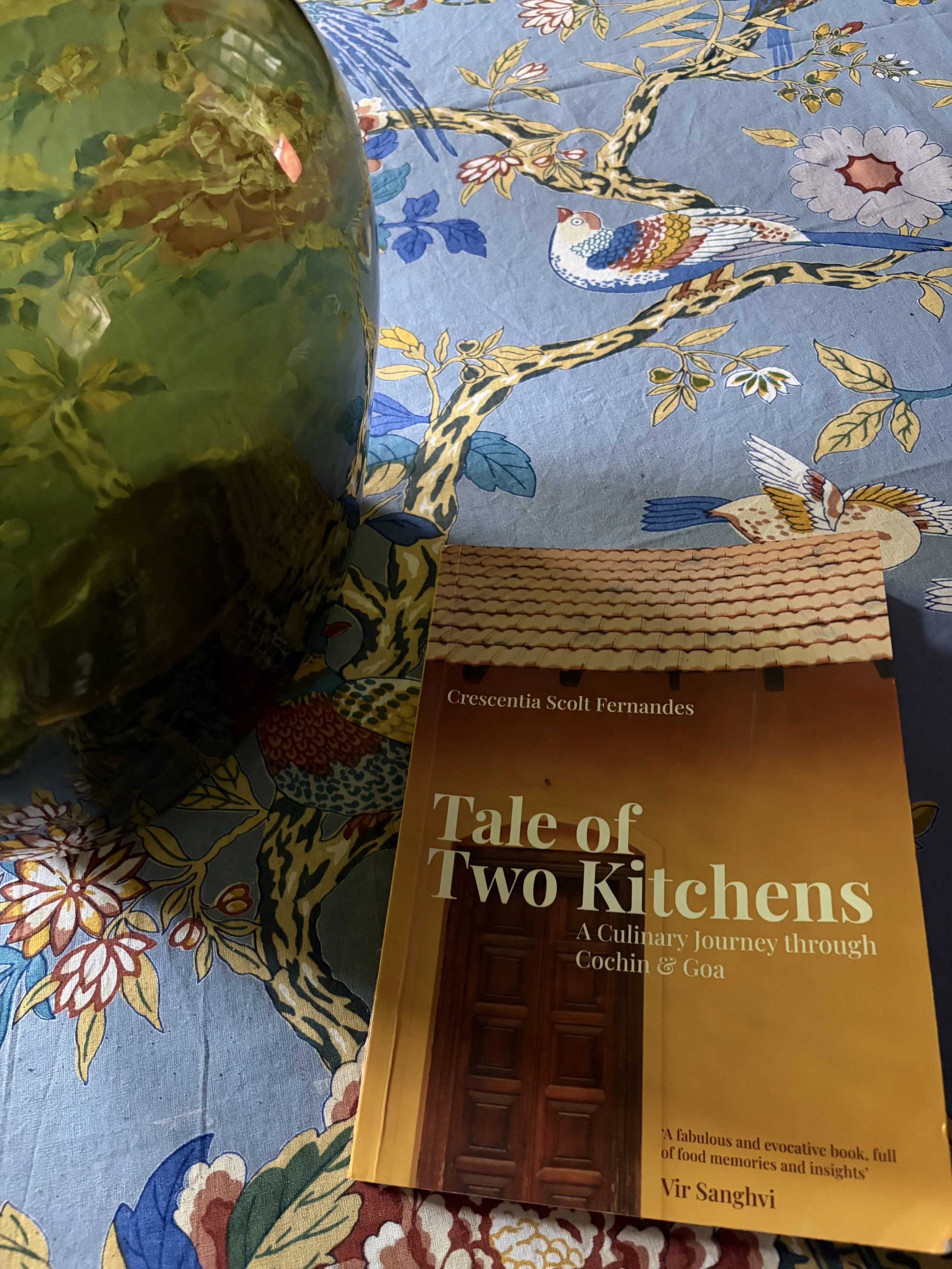
Tale of Two Kitchens: A Culinary Journey through Cochin & Goa (Books etc., 2026), is a charming, all-colour tribute to the author’s life in food. Crescentia (Cres) Scolt Fernandes is an Anglo-Indian (of Portuguese and Dutch descent) chef and restaurateur, her husband Chrys is of Goan descent from Divar. She writes this memoir with recipes that document her history through two cultures on the same coast—Kerala and Goa. She finds interesting similarities in her family’s Indo-Portuguese cuisine and her husband’s Goan traditions. Both have a strong Portuguese connection and a coastal influence of fish, coconuts and rice. The Portuguese were the first colonisers to reach Kerala (1498–1663). They brought Catholicism, Latin influenced architecture and fruit, including cashew, pineapple and papaya. When the Dutch colonised Kerala (1661–1795), they displaced the Portuguese and tried to control the lucrative pepper trade. The Portuguese colonial impact is a tangible thread through food and religious observances across this book. Cres wants to preserve and perpetuate this very particular cuisine. It is not often that a restaurateur shares recipes, so this cookbook is a window into Cres’ generosity of spirit.
Tale of Two Kitchens is sprinkled with nostalgia, anecdotes, family stories and photos documenting homes, engagements, weddings, Christmas celebrations and the food served. Cres is self-taught and we witness her evolution as a chef, travelling from Cochin to Calcutta and Bombay, and finally Delhi. In Calcutta, she signs up for cooking classes so when she gets married in Delhi she only knows to cook “party food." She recounts a sweet story of how she communicated with her Konkani-speaking mother-in-law in Delhi through food, learning Goan recipes and traditions. She goes on to describe her mastery of baking and decorating three-tier wedding cakes, starting a pickle factory, and opening Delhi’s first Goan-only restaurant, Bernardo’s. Now, Cres hosts Goan food pop-ups and makes and sells Goan chorizo and masalas. She believes in today’s fast-paced world, folks have no time for sautéing, roasting and grinding so she hopes her home made masalas will help people continue to eat good Goan food.
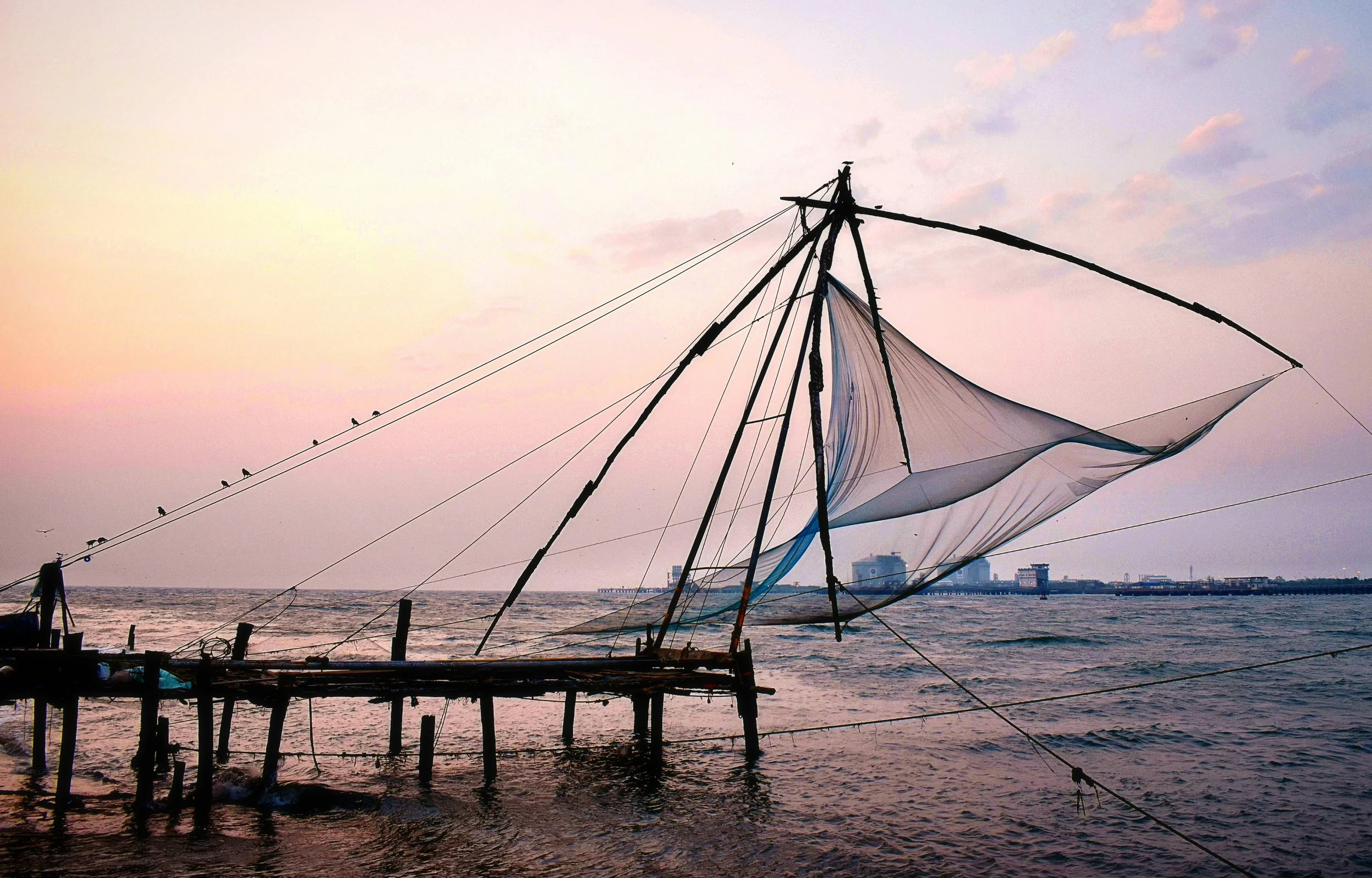
Cres was born and brought up on Vypeen Island, which “was one of the earliest Portuguese settlements in Kerala in the early 16th century." Her family has Dutch-Portuguese ancestry with a bit of Chinese thrown in, as some of her mother’s ancestors were from Macau. A strong Portuguese cultural influence persists across Goa, Kochi and Macau (all of which had a Portuguese presence) in the cuisine, blue pottery, intricately carved furniture and sailors who travelled back and forth. The language her parents spoke was a Vypeen Indo-Portuguese Creole. Vypeen is famous for Cheena Vala—large fishing nets that the Portuguese brought from Macau. The chapter, “Vypeen Memories," has a delightful legend about the rituals of the fisherfolk when they catch a dolphin.
On Vypeen, they love the Grey Mullet (thirutha in Malayalam), which is salted and dried; she suggests the process was brought by the Portuguese as it is similar to Bacalhau (dried and salted cod). Cres is generous with vivid black-and-white photos of her great-grandparents and her parents’ weddings and engagements. The recipes include familiar potato chops and pork vindaloo, but some with a Dutch influence were intriguing, such as Fish Kozeeth (a light fish stew), Poffertjes (mini Dutch pancakes), and Frikadeller (Dutch fried meatballs).
In “Cozinhas and the Three Bungalows," Cres describes her family houses on Vypeen; all with Mangalore tiled roofs, large tropical fruit trees, a menagerie of animals, and homegrown veggies. This could easily have been a village in Goa. The recipes here detail different types of bebincas, including banana and potato. There is also a recipe for meat temperado with raw banana and a ripe banana salad. Many recipes come from Kerala featuring the versatile banana in a range of offerings from fries and curries to desserts.
Another interesting chapter “Rites of Passage," offers an assortment of Anglo-Indian, Goan, and Malayali recipes for tea time, mains, and sides— Avalose Podi, Anglo-Indian pepper water, and familiar Goan favourites like pan rolls, Bolo de Camarão (prawn cake), prawn rice, and meatloaf. Pepper water is the Anglo-Indian version of rasam (a spicy South Indian soup). It is supposed to have originated in Madras during the 18th -19th century and was adapted for British palates from milagu thanni (pepper water). It is also considered to be the precursor to the now more famous Mulligatawny soup.
“Best Man, Bridesmaid and the Bakes," features Cres and Chrys’ wedding with photographs and anecdotes, her learning to bake, and recipes for carrot, banana, walnut, and apple cinnamon cakes. In “Christmas and the Consuada," Cres walks down memory lane with the tradition of exchanging homemade Consuada (a plate of homemade Christmas sweets) with neighbours. In Konkani this is called Kuswar. There are recipes for a delicious cashew sweet called Matrimony, alongside Baath, Perad, Doce, and Pinag.
Cres made her first trip to Goa six years after she got married, and this trip is narrated in “Sea, Steamer, Feni and Goa." She remembers the sea air and the wood-fired stoves of her husband’s family home in São Matias, Malar, Divar. Divar is a historic island on Goa’s prominent Mandovi river and is accessible only by ferry. It has two villages Malar and Piedade. There are touching memories of idyllic island living, the ferries, the food, the festivities, and the requirements of a young bride visiting her in-laws. The recipes here include Xacuti (with a vegan jackfruit option as well as chicken), Prawn Samarchi Kodi, and Sorpotel.
In “Divar and Fernandes Stories," Cres brings her husband Chrys’s early childhood to life with nostalgic notes of growing veggies and catching fish with an umbrella. The recipes from this time include delicious Mango Caap, Fish Curry, Prawn Caldine, and typical Goan sweets like Alle Belle, Godshe, and Patoleos. Her husband’s father, the late Bernardo Fernandes, was one of the first Goan musicians to move to North India. Like many Goan musicians he played multiple instruments. Bernardo played the drums, violin, and trombone, performing in Kashmir, Mussoorie, and Dehradun during the summers and in Bombay in the winters. When he was offered a regular job in the 1950s at the Ashoka Hotel with accommodation, he moved to Delhi with his family. Bernardo also performed with the Delhi Symphony Orchestra. After his sudden passing in 1966, the family lost their home but Cres’ strong mother-in-law persevered in Delhi. That is where Cres and Chrys met and married and continue to live (in the greater NCR) contentedly.
In these dark and difficult times, I am reassured by the resilience and generosity of spirit of Cres and Chrys, who remain warm and welcoming, positive and hospitable to everyone, especially much maligned strays, for whom they have opened a sanctuary.
If you are looking for an entertaining cookbook along with an absorbing life story told in all colour, Tale of Two Kitchens: A Culinary Journey through Cochin & Goa is a great summer read.
Michelle Mendonça Bambawale is the author of Becoming Goan: A Contemporary Coming Home Story (Penguin; 2023). Her recent work appears in the anthology The Brave New World of Goan Writing & Art 2025 (Cinnamon Teal, 2025) and in the anthology Appetite (Penguin, 2026). She is a frequent contributor to the Joao Roque Literary Journal.
Tale of Two Kitchens can be purchased here.
Banner image by Gaurav Kumar and is downloaded from Unsplash.com